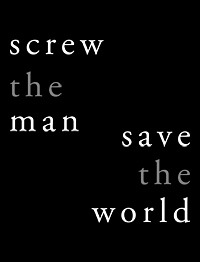
We could not have asked for a better turnout at our speaking event last night. Casual conversation filled The Beat Coffeehouse, and we all enjoyed caffeinated drinks. Everyone at NEED was excited to meet new people and catch up with old friends.
After people were settled, Adam Hanson, NEED’s managing editor, started with a moving story about a young man he met while on assignment in Oakland. He explained that the young man had survived being shot nine times at point-blank range. We all sat in silent astonishment. Steve Floyd, the NEED photographer who worked with Adam on that assignment, told more stories from their time in Oakland that made the issue of youth violence shockingly personal.

NEED Managing Editor Adam Hanson
To bring the topic full-circle, we asked a local organization to speak about their efforts to stop youth violence in the Twin Cities. Lawrence Johnson of Mad Dads told stories about the outreach and prevention work that goes on in our neighborhoods. The evening ended with questions from the audience and suggestions about how to get involved.

Mad Dad Lawrence Johnson with Photographer Steve Floyd
Thanks again to The Beat, Adam, Steve, Mad Dads and of course everyone who came out to our event. Hopefully there will be more new faces at our next speaking event on Wednesday, July 22. See our events page for details.
Youth Alive
Mad Dads, Inc
The Beat Coffeehouse
Photos | Kyra Gibson

 “Screw The Man [Save the world] really went over big,” says photographer